
Practitioner Sacred Plant Database
Preserving Traditional Ecological Knowledge for Future Generations
A living repository of traditional ecological knowledge dedicated to the sacred plants of Yoruba spiritual traditions and their relationships to culture, ecology, stewardship, and community.

Protecting Sacred Plant Knowledge in urban areas
The Practitioner Sacred Plant Database was created to document, preserve, and responsibly share knowledge about plants used in Yoruba spiritual and cultural traditions.
As ecosystems change and traditional knowledge holders age, preserving plant wisdom becomes an act of stewardship.

Featured Plants


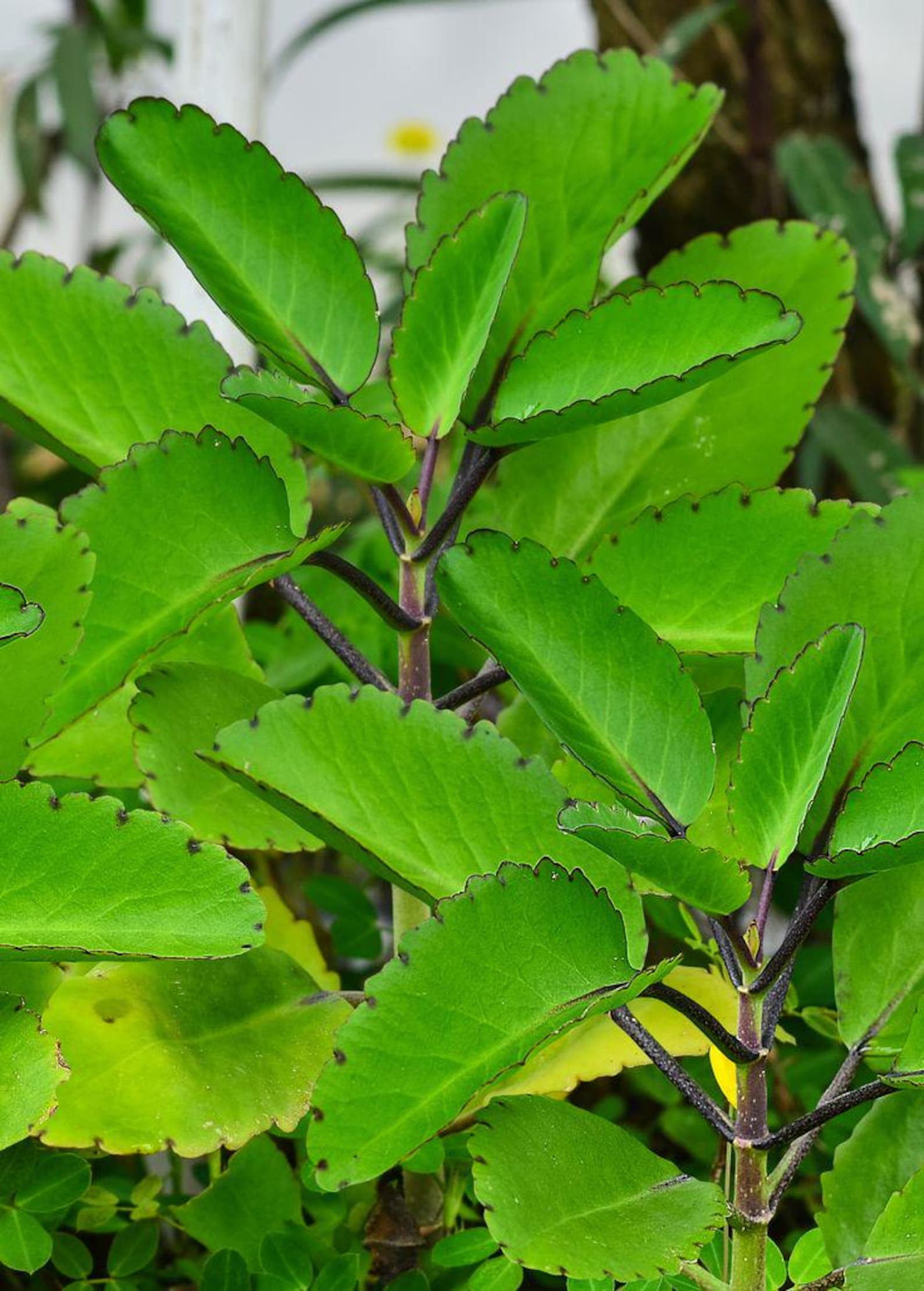
Sacred Knowledge Case Study: Distinguishing Abamoda & Odúndún
While both plants belong to the Kalanchoe genus and possess vital medicinal and spiritual properties, distinguishing them is crucial for correct botanical identification and ritual preparation in Yoruba practice.


Abamoda (Kalanchoe pinnata)
Ewe Dúndún / Odundun (Kalanchoe crenata)
Identification Guide
Common Name
Abamoda: Leaf of Life
Odundun: Christmas Tree Plant
Botanical Name
Abamoda: K. pinnata
Odundun: K. crenata
Leaf Texture
Abamoda: Thicker, more succulent
Odundun: Slightly thinner, softer
Leaf Margin
Abamoda: Crenate with plantlets
Odundun: Deeply crenate/toothed
Growth Habit
Abamoda: Upright, tall stems
Odundun: Bushier, shorter stature
Traditional ID
Abamoda: Air-growing plantlets
Odundun: Yellow/orange flowers
Sacred Yoruba Usage & Associations
Abamoda: Associated with Obatala and the power of manifestation. Its name literally implies 'what I propose, I execute.'
Odundun: Associated with Orunmila and spiritual cooling properties. Often used to soothe and provide clarity.
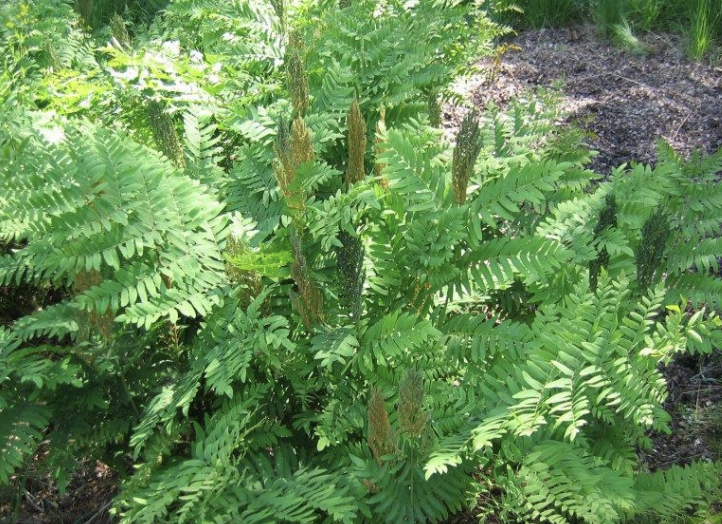
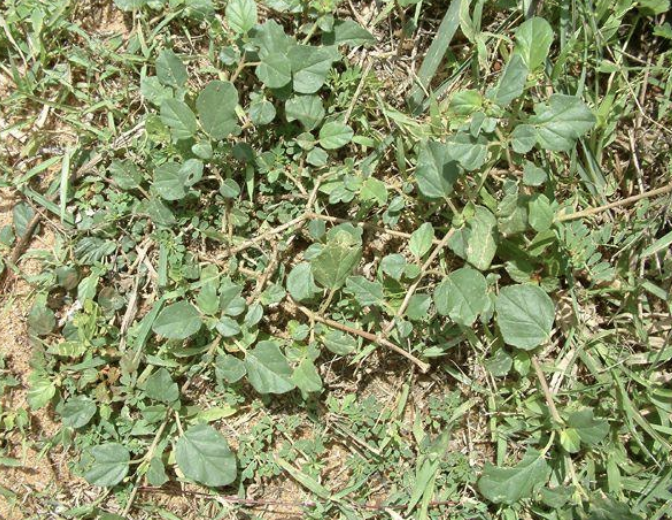
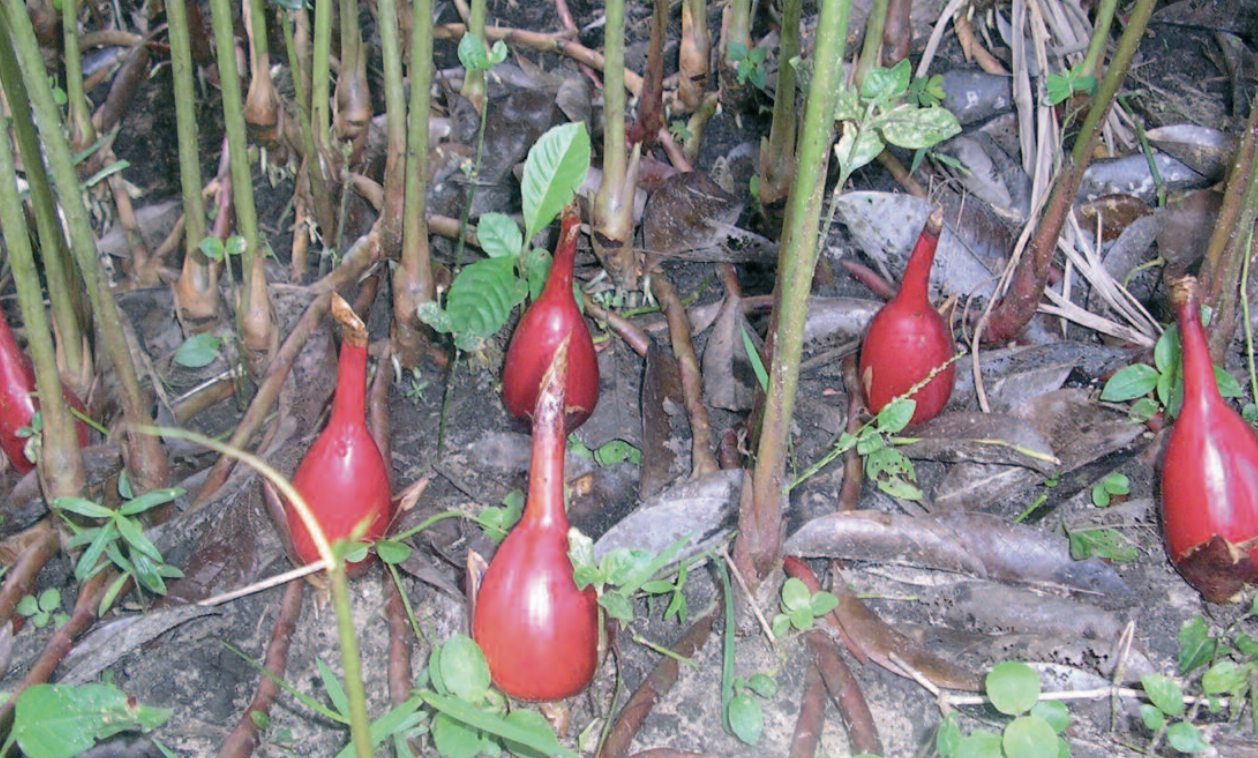
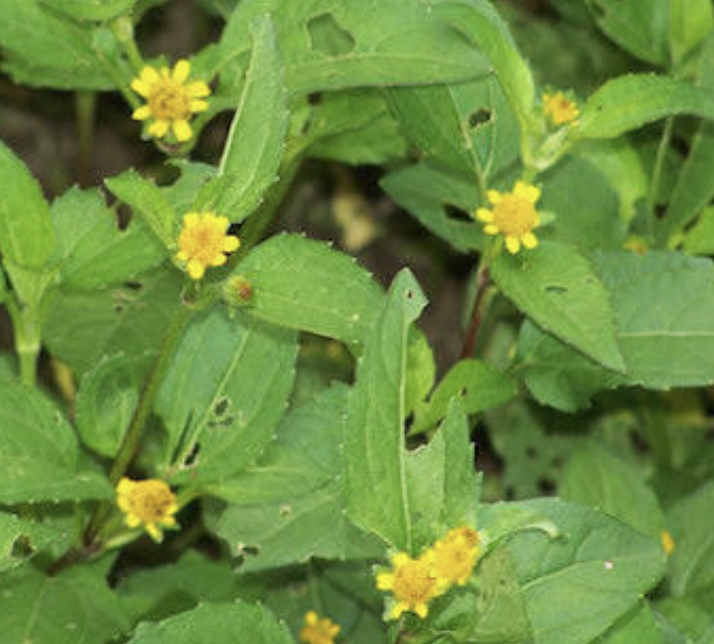
Sacred Plant Visual Catalog
A visual repository of Yoruba sacred plants, documenting their botanical features and spiritual essence for preservation and care.



Contribute Knowledge
Do you have experience with sacred plants, traditional ecological knowledge, or community-based stewardship? Share what you feel is appropriate for public learning.
- Name the Yoruba and Lucumí titles
- Identify Botanical Name and Family
- Describe the habitat, soil, and water needs
- Note companion species and pollinators
- Outline the local food web role
- Identify impacts of climate change
- Note sustainable harvesting or cultivation
- Summarize public ritual or cultural value
- Relate public Itan or Patakí stories
- State ethical harvest and safety guidelines
- Record growth and seasonal cycles
- Cite lineage or community teachings
- Outline conservation status and threats
Ethics & Care for Òrìṣà Sacred Plant Knowledge
This database is for public learning about ewe and sacred plants in Yoruba, Lucumí, and other Òrìṣà traditions, not for teaching ceremonies. Please share only what feels appropriate to be read by a wide audience. Do not include restricted ritual instructions, recipes, or anything your elders, godparents, or lineage holders would keep private.
Support the Project
Help preserve sacred plant knowledge.